ニュース

Stay updated with NEWBASE’s latest corporate announcements, exhibition schedules, and company milestones.

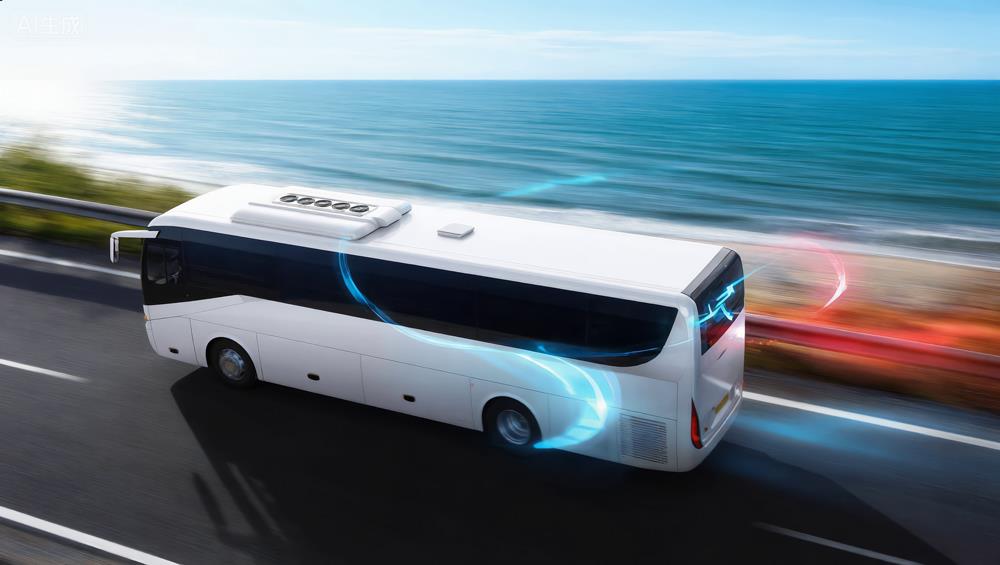
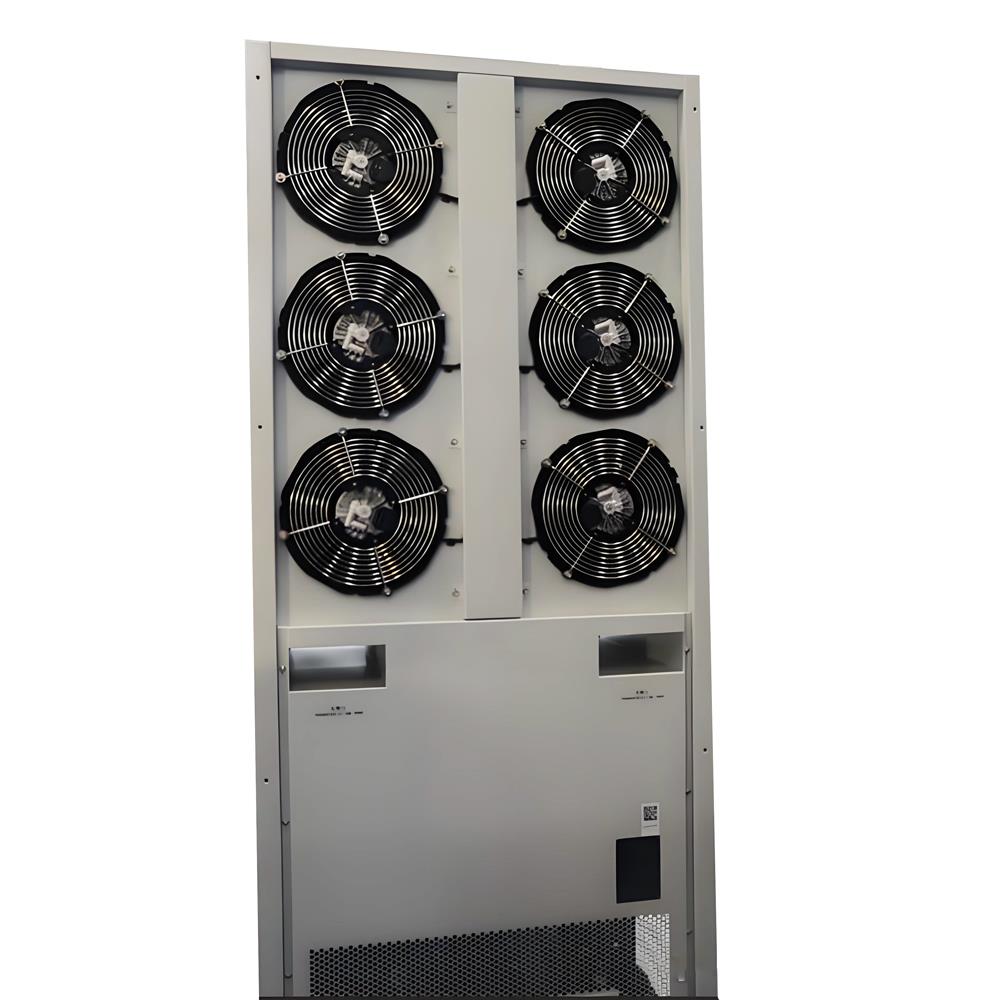
How Advanced BTMS Technology Can Reduce Fleet Battery Replacement Costs by 40%

Battery degradation is the single largest financial risk for commercial electric vehicle operators. According to Geotab’s research analyzing data from over 10,000 electric vehicles, EV batteries currently degrade at an average rate of 1.8% per year — an improvement from the 2.3% rate seen in earlier models. But for a fleet operator running 50 heavy-duty electric trucks with 300 kWh battery packs, even 1.8% annual degradation means replacing batteries worth hundreds of thousands of dollars sooner than planned. The key variable in battery degradation that fleet operators can control is thermal management. The Thermal-Degradation Connection Lithium-ion battery degradation accelerates dramatically when cells operate outside their optimal temperature range of 15–35°C. […]

How Advanced BTMS Technology Can Reduce Fleet Battery Replacement Costs by 40% 続きを読む »

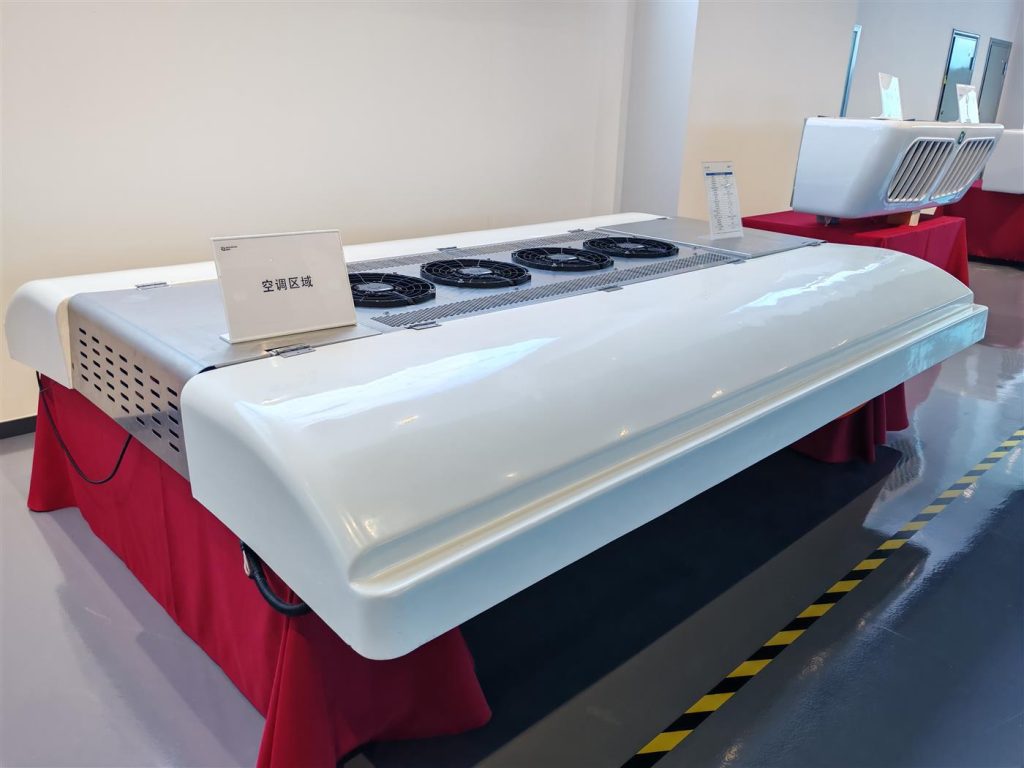
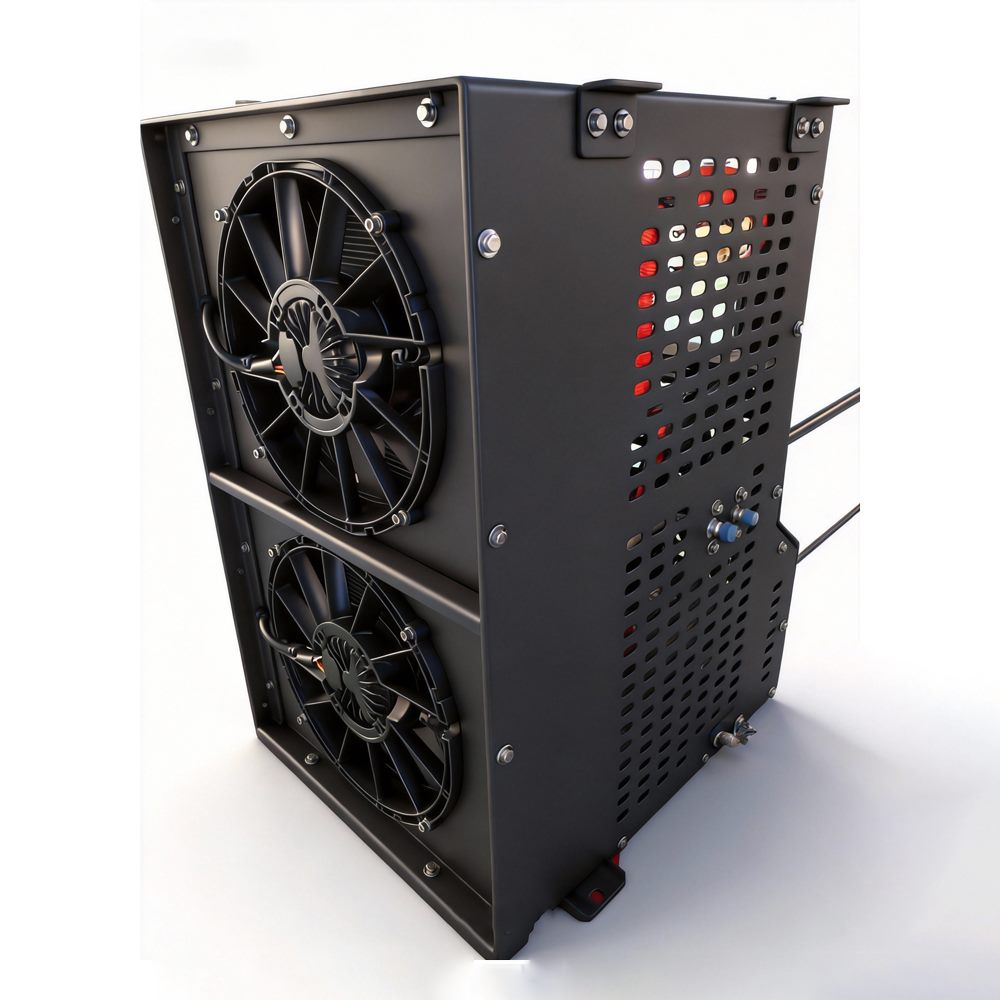
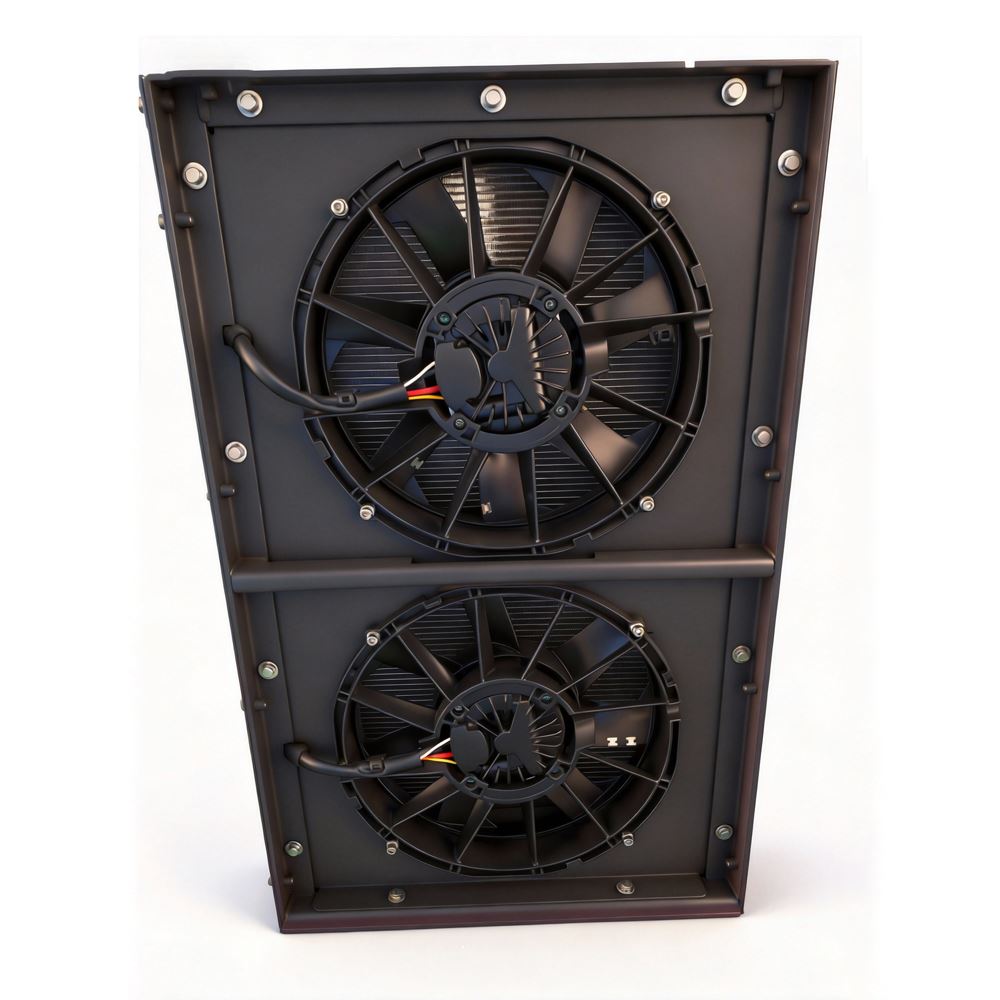
Why Liquid Cooling Is Becoming the Industry Standard for Commercial EV Battery Thermal Management

As electric commercial vehicles transition from early adoption to mainstream deployment, the limitations of traditional air-cooling systems have become impossible to ignore. In 2025, a comprehensive review published in MDPI’s journal Batteries systematically evaluated advanced cooling strategies — including indirect liquid cooling, phase change material (PCM) cooling, and hybrid approaches — and concluded that liquid cooling systems deliver the highest heat transfer efficiency for preventing thermal runaway in lithium-ion battery packs. The Physics Behind Liquid Cooling Superiority Liquid cooling works on a simple but powerful principle: liquids have significantly higher heat capacity and thermal conductivity than air. Water-glycol mixtures used in BTMS (Battery Thermal Management Systems) can absorb and transport

Why Liquid Cooling Is Becoming the Industry Standard for Commercial EV Battery Thermal Management 続きを読む »

Smart Temperature Control and Energy Efficiency Are Reshaping Refrigerated Vehicle Technology

Published by NEWBASE | Technology Insights The refrigerated transport industry is no longer focused solely on cooling performance. Today, fleet operators are equally concerned with: As a result, refrigerated vehicle technology is rapidly evolving toward smarter and more sustainable solutions. Refrigeration Technology Is Becoming More Intelligent Modern refrigerated vehicles increasingly incorporate digital technologies to improve operational reliability. Key technology upgrades include: Digital Temperature Controllers Advanced digital control systems enable: This is especially important for transporting products with strict temperature requirements. Multi-Mode Cooling Capabilities New refrigeration systems often support: This allows one vehicle platform to handle multiple cargo categories. Applications include: Energy Efficiency Becomes Core Competitiveness Energy consumption is becoming a

Smart Temperature Control and Energy Efficiency Are Reshaping Refrigerated Vehicle Technology 続きを読む »

The Future of Last-Mile Cold Chain Delivery: Why Compact Electric Refrigerated Vehicles Are Gaining Global Attention

Published by NEWBASE | Industry Analysis The global cold chain industry is entering a new phase of transformation. Driven by the rapid growth of online grocery delivery, pharmaceutical logistics, fresh food e-commerce, and urban retail distribution, demand for efficient last-mile cold chain transportation is rising significantly. At the same time, logistics operators face mounting pressure from: These trends are accelerating the adoption of compact electric refrigerated vehicles. Why Last-Mile Cold Chain Is Becoming More Important Last-mile delivery represents one of the most critical and costly stages in cold chain logistics. Temperature-sensitive goods such as: must remain within strict temperature ranges throughout transportation. Any temperature deviation may lead to: As a

The Future of Last-Mile Cold Chain Delivery: Why Compact Electric Refrigerated Vehicles Are Gaining Global Attention 続きを読む »

Why Solar-Assisted Refrigerated Vehicles Are Becoming a Key Trend in Urban Logistics

Published by NEWBASE | Industry Insights Urban logistics is changing rapidly. With rising demand for cold chain transportation, increasing environmental regulations, and pressure to reduce operating costs, logistics operators are actively searching for smarter transportation solutions. Among emerging technologies, solar-assisted electric refrigerated vehicles are attracting growing attention. By combining electric drive systems, refrigeration technology, and renewable energy integration, these vehicles offer a more sustainable and cost-effective solution for temperature-controlled delivery. Challenges Facing Traditional Refrigerated Vehicles Conventional refrigerated vehicles typically rely on: These systems often create challenges such as: For short-distance distribution, these disadvantages can significantly reduce operational efficiency. Advantages of Solar Refrigerated Vehicles Solar-assisted refrigerated vehicles introduce several important benefits.

Why Solar-Assisted Refrigerated Vehicles Are Becoming a Key Trend in Urban Logistics 続きを読む »

NEWBASE Expands Product Portfolio to Support Growing Demand for Electric Cold Chain Logistics

Published by NEWBASE | Company News As global logistics markets accelerate toward electrification and sustainable transportation, NEWBASE continues expanding its thermal management and refrigerated vehicle product portfolio to meet evolving customer demands. With increasing requirements for temperature-controlled transportation in food delivery, pharmaceuticals, retail distribution, and urban logistics, electric refrigerated vehicles are becoming an important growth segment in the commercial vehicle industry. To support this transition, NEWBASE has strengthened its focus on new energy refrigeration solutions, including electric refrigerated vehicles, refrigeration units, battery thermal management systems, and vehicle air conditioning technologies. Responding to Industry Transformation Cold chain logistics is undergoing rapid modernization driven by: Traditional refrigerated vehicles often face operational challenges

NEWBASE Expands Product Portfolio to Support Growing Demand for Electric Cold Chain Logistics 続きを読む »

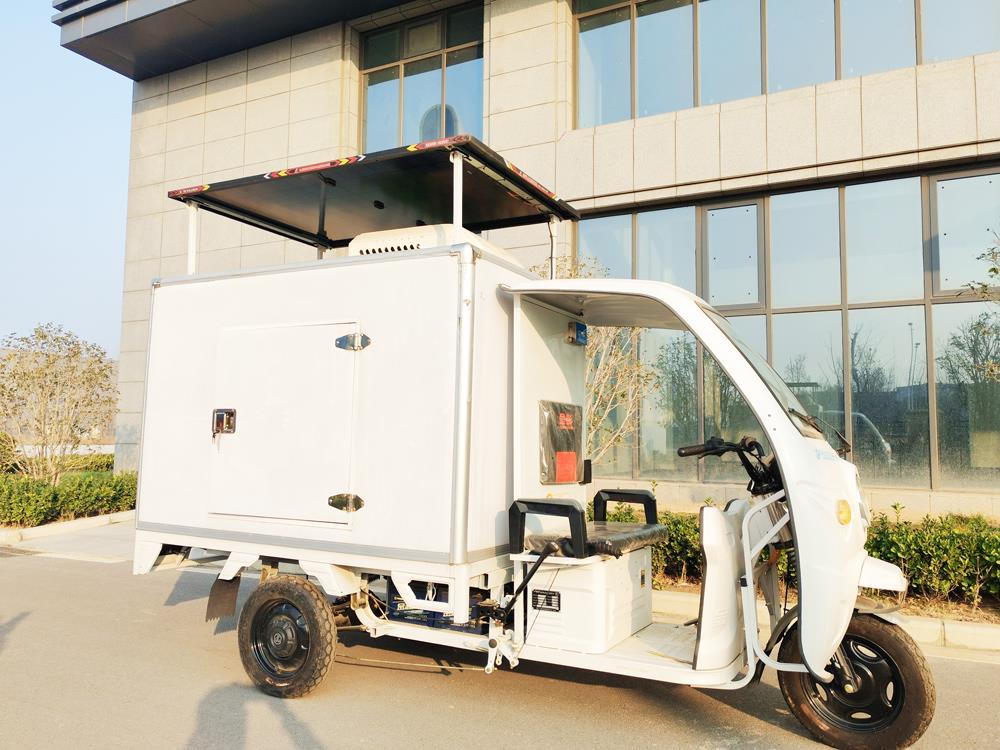
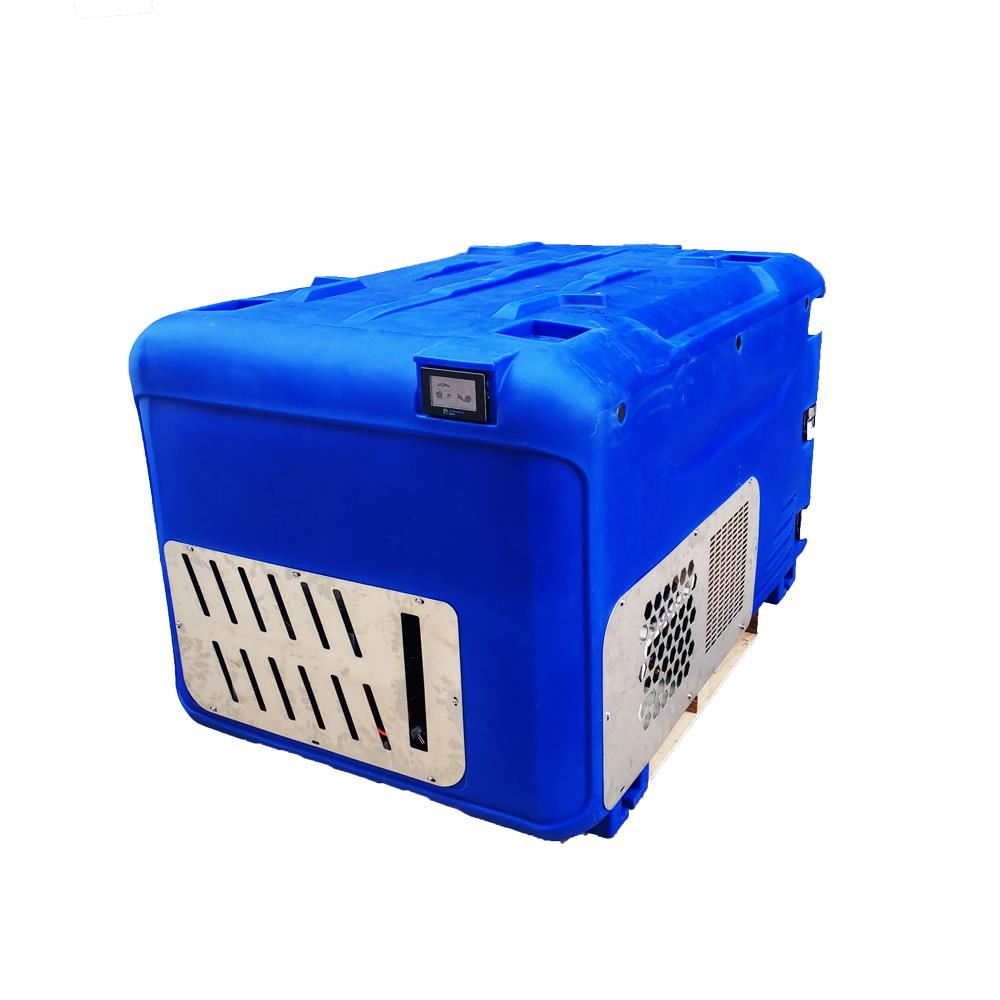
NEWBASE Launches Smart Solar-Powered Electric Refrigerated Vehicle for Sustainable Logistics

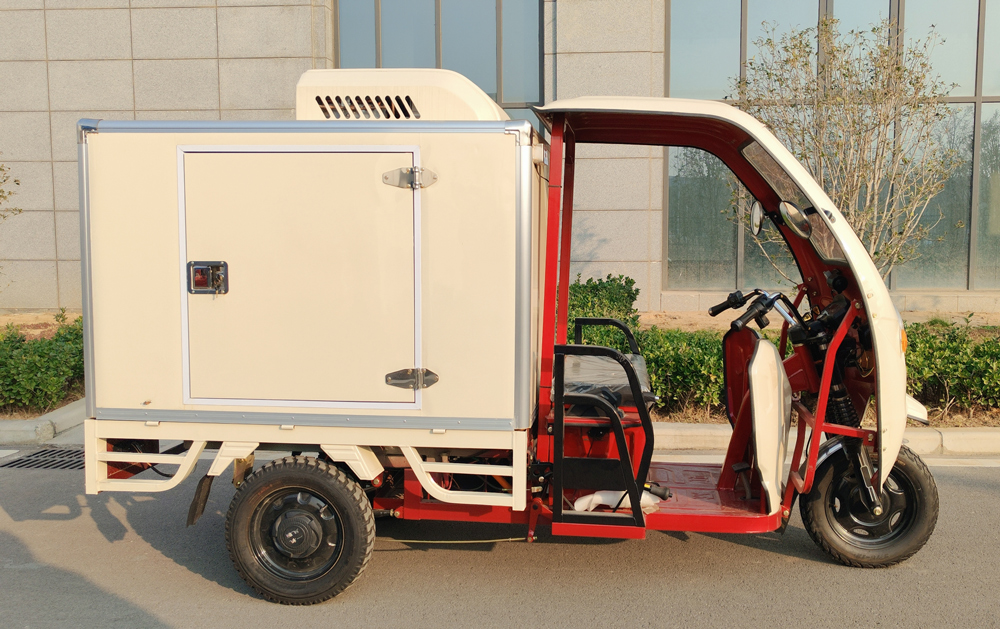
Published by NEWBASE | Product News NEWBASE officially introduces its new generation Solar-Powered Electric Refrigerated Tricycle, providing an innovative solution for urban cold chain transportation and green logistics. Designed for modern distribution needs, this vehicle integrates electric drive technology, intelligent refrigeration control, solar charging capability, and high-efficiency insulation into one compact platform. A New Solution for Sustainable Distribution The logistics industry is under growing pressure to reduce carbon emissions while improving delivery efficiency. Conventional refrigerated vehicles often suffer from: NEWBASE addresses these challenges with a clean-energy refrigerated vehicle platform. Advanced Refrigeration Performance The NEWBASE refrigerated tricycle is equipped with: The system utilizes: This ensures reliable refrigeration efficiency and precise temperature

NEWBASE Launches Smart Solar-Powered Electric Refrigerated Vehicle for Sustainable Logistics 続きを読む »

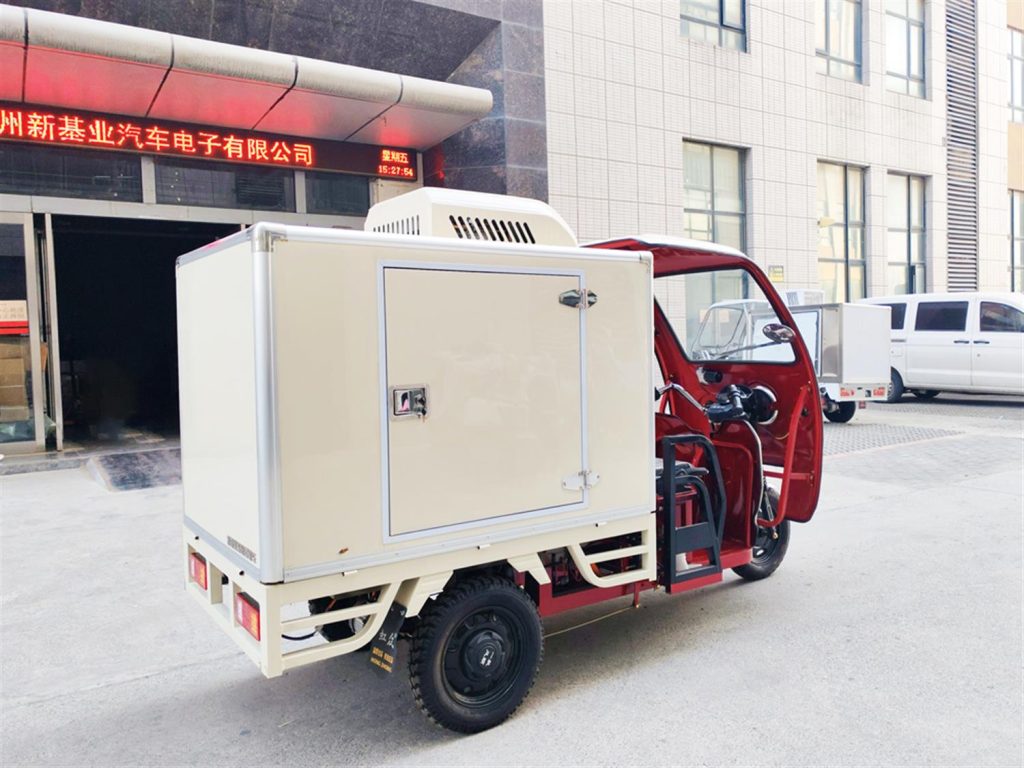
How Electric Refrigerated Tricycles Are Transforming Urban Cold Chain Delivery in 2026

Published by NEWBASE | Cold Chain Logistics Insights As global demand for fresh food, pharmaceuticals, frozen products, and temperature-sensitive goods continues to rise, urban cold chain logistics is entering a new era of electrification and intelligent distribution. Traditional fuel-powered refrigerated vehicles face increasing pressure from rising fuel costs, stricter environmental regulations, and growing expectations for last-mile delivery efficiency. In response, electric refrigerated vehicles are becoming a preferred solution for modern urban logistics. NEWBASE has introduced its latest Electric Refrigerated Tricycle, designed specifically for short-distance cold chain transportation, urban delivery, retail distribution, and mobile refrigeration applications. Why Electric Refrigerated Vehicles Are Growing Fast The cold chain industry is experiencing rapid transformation

How Electric Refrigerated Tricycles Are Transforming Urban Cold Chain Delivery in 2026 続きを読む »

Sustainable Refrigeration: How Low-GWP Refrigerants and Eco-Friendly TRU Technology Are Shaping the Future of Cold Chain Transport in 2026

By NEWBASE Sustainability Division | Published April 30, 2026 | 12 min read The refrigeration industry is in the midst of the most significant environmental transformation in its history. The global push to address climate change has placed transport refrigeration units — traditionally powered by diesel engines using HFC refrigerants with high global warming potential (GWP) — at the center of environmental scrutiny. As of January 2025, new EPA regulations under the American Innovation and Manufacturing (AIM) Act have begun phasing down the use of hydrofluorocarbons (HFCs), with specific requirements for transport refrigeration applications. For fleet operators, this regulatory shift represents both a challenge and an opportunity. NEWBASE is meeting this moment

Sustainable Refrigeration: How Low-GWP Refrigerants and Eco-Friendly TRU Technology Are Shaping the Future of Cold Chain Transport in 2026 続きを読む »

Maximizing Refrigerated Truck Uptime: A Complete Maintenance Guide for Transport Refrigeration Units in 2026

By NEWBASE Aftermarket Services Team | Published April 30, 2026 | 13 min read In cold chain logistics, equipment downtime is the enemy of profitability — and more importantly, it is the enemy of cargo integrity. A refrigeration unit failure during transit can result in complete cargo loss, emergency service costs, customer penalties, and lasting reputational damage. According to industry data, the average cost of a single refrigerated truck breakdown ranges from $2,500 to $15,000 when accounting for cargo loss, emergency service, vehicle recovery, and missed delivery penalties. For fleet operators, the solution is not reactive repair — it is proactive maintenance that prevents failures before they occur. This comprehensive guide examines the

Maximizing Refrigerated Truck Uptime: A Complete Maintenance Guide for Transport Refrigeration Units in 2026 続きを読む »

ja日本語