
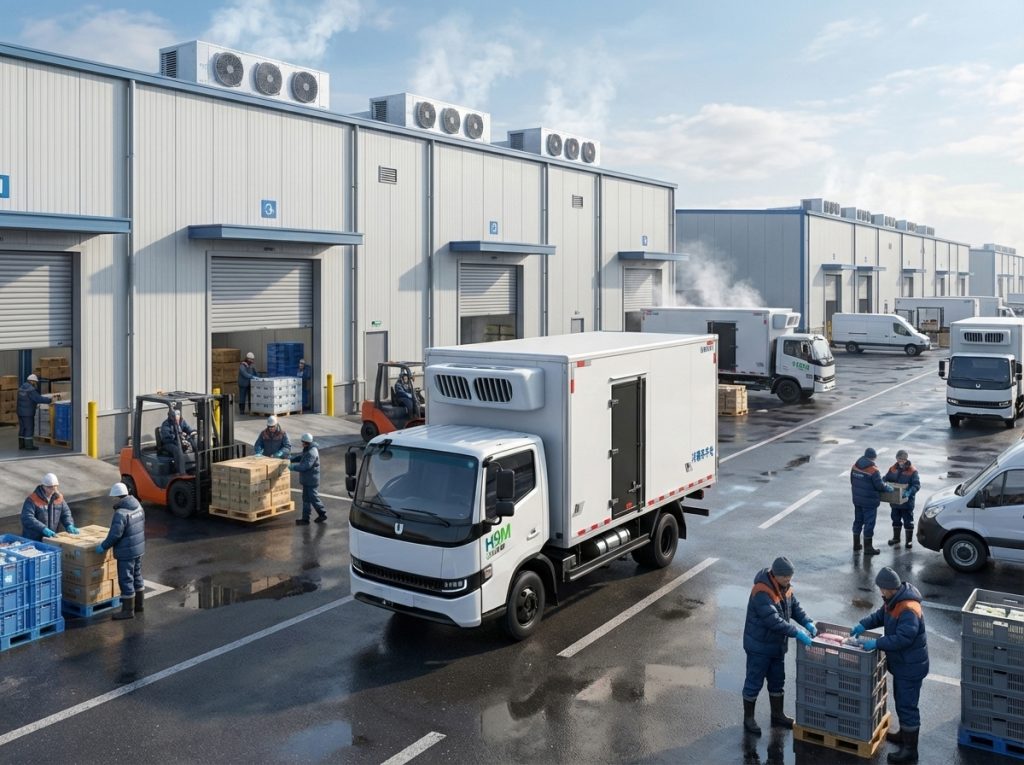
Refrigerated Van Refrigeration Unit: NBESR1000A – Advanced Cooling Technology for Modern Cold Chain Logistics
As global supply chains evolve toward sustainability and efficiency, NewBase introduces the next generation of refrigerated van technology with its NBESR1000A Refrigerated Van Refrigeration Unit. Designed for electric, hydrogen, methanol, and range-extended light-duty commercial vehicles (7.5–8.5 meters), this innovative system is engineered to meet the growing demand for reliable, energy-efficient, and eco-friendly cold chain solutions—especially in urban delivery networks powered by micro-refrigerated vans.
With increasing regulatory pressure on emissions and rising consumer expectations for fresh, safe food delivery, the role of high-performance refrigerated van refrigeration units has never been more critical. The NBESR1000A is not just a cooling system—it’s a smart, integrated solution that enhances cargo preservation, reduces energy consumption, and supports the transition to zero-emission logistics.
Core Functions of the NBESR1000A Refrigerated Van Refrigeration Unit
1. Precision Refrigeration System (Part 01–03)
The unit operates through a complete vapor-compression refrigeration cycle, integrating key components such as the compressor, condenser, expansion valve, and evaporator. This ensures consistent and powerful cooling performance across all operating conditions.
- Precise Temperature Control: The intelligent control system adjusts cooling output based on preset temperature settings, maintaining accuracy within ±1°C. This precision is essential for transporting perishable goods like pharmaceuticals, frozen foods, and fresh produce.
- Stable Cold Storage: Whether storing vegetables, fruits, or meat, the NBESR1000A maintains a stable internal temperature, preventing spoilage and extending shelf life.
According to industry reports from Frost & Sullivan, over 60% of food losses in developing regions occur due to inadequate cold chain infrastructure. Reliable refrigeration units like the NBESR1000A play a vital role in reducing waste and improving food security.
2. Air Circulation Functionality: Ensuring Uniform Cooling & Freshness
One of the most advanced features of the NBESR1000A is its integrated air circulation system, which significantly improves thermal uniformity and cargo quality.
- Even Temperature Distribution: Built-in fans circulate cold air throughout the cargo compartment, eliminating hot spots and ensuring consistent cooling from floor to ceiling.
- Gas Exchange & Odor Management: The system actively removes ethylene gas (a natural ripening agent released by fruits) and other volatile compounds, while introducing fresh air to preserve flavor and freshness.
This function is especially valuable in 4.2-meter micro-refrigerated vans, which are increasingly used for last-mile deliveries in cities. These compact vehicles require efficient airflow systems to maintain product quality despite limited space.
Recent studies by the International Institute of Refrigeration (IIR) highlight that proper air circulation can reduce microbial growth by up to 40%, directly impacting food safety and shelf life.
3. Energy Efficiency & Environmental Sustainability
The NBESR1000A is designed with green technology at its core, combining high-efficiency components with sustainable cooling methods.
- High-Efficiency Components: The unit uses advanced compressors, evaporators, and condensers that deliver superior heat exchange performance while consuming less power—up to 25% lower energy use compared to conventional models.
- Natural Cooling Integration: When ambient temperatures are low, the system utilizes natural ventilation to draw in cooler outside air, reducing the load on the compressor and lowering overall energy consumption.
- Eco-Friendly Auxiliary Cooling: The unit incorporates ethylene glycol solution as an auxiliary coolant. This solution absorbs ambient cold during nighttime or low-temperature periods and releases it during peak cooling demands, effectively reducing the refrigeration load and enhancing energy savings.
The Global Emissions Model (GEM) estimates that widespread adoption of energy-efficient refrigeration units could reduce CO₂ emissions from transport refrigeration by up to 18 million tons annually by 2030.
Why Micro-Refrigerated Vans Are the Future of Urban Logistics
Micro-refrigerated vans (typically 4.2–5.2 meters in length) are rapidly becoming the backbone of urban delivery fleets. Their advantages include:
- Maneuverability: Ideal for navigating narrow city streets and congested areas.
- Low Operating Costs: Electric variants offer significant savings on fuel and maintenance.
- Regulatory Compliance: Many cities now restrict diesel-powered vehicles in central zones; electric vans with units like the NBESR1000A comply with emission standards.
- Scalability: Perfect for small-to-medium businesses delivering groceries, meals, or medical supplies.
By equipping these vehicles with the NBESR1000A refrigerated van refrigeration unit, fleet operators gain a complete, sustainable cold chain solution that delivers performance, reliability, and environmental responsibility.
Conclusion: A Smarter, Greener Cold Chain Solution
The NBESR1000A Refrigerated Van Refrigeration Unit represents a major advancement in cold chain technology. With its precision cooling, intelligent air circulation, and eco-friendly design, it sets a new standard for refrigerated transportation.
Whether you’re managing a fleet of electric delivery vans or expanding your cold storage capabilities, the NBESR1000A offers the performance, efficiency, and sustainability needed to succeed in today’s competitive market.
NewBase Technology – Innovating the Future of Sustainable Cold Chain Solutions
Contact Us Today for a Free Consultation
 English
  Español
  Português
  العربية
  Русский
  Français
  Bahasa Indonesia
  日本語
日本語  Română
  Deutsch
  Italiano