
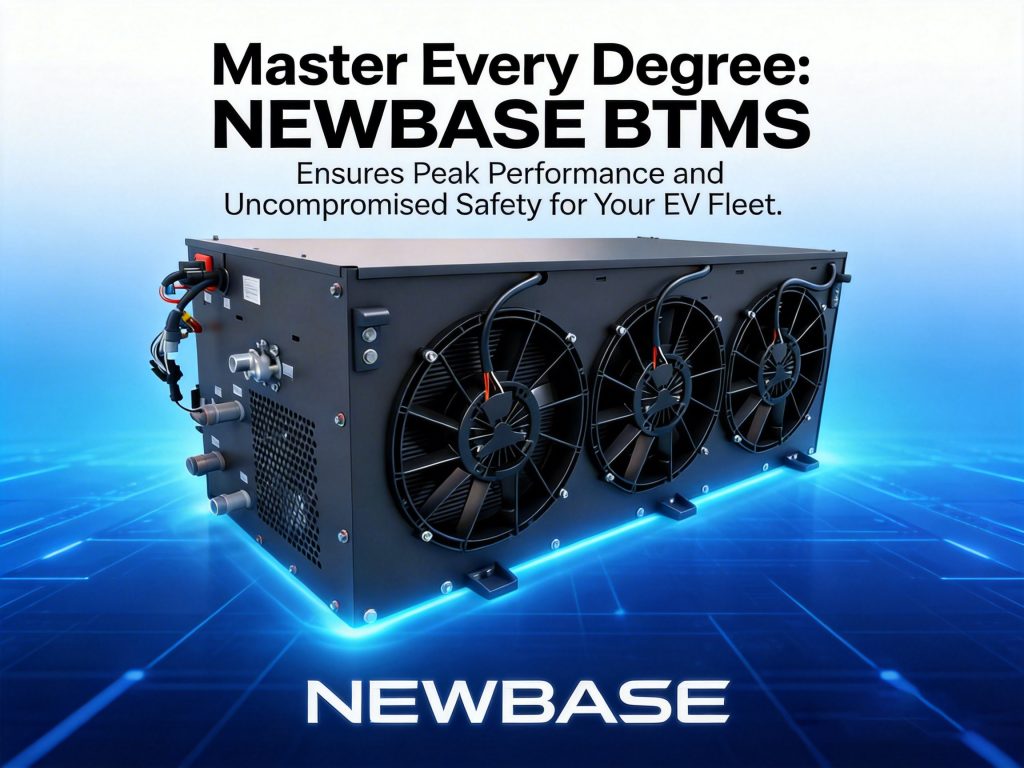
Degradarea bateriei este cel mai mare risc financiar pentru operatorii de vehicule electrice comerciale. Conform cercetării Geotab, care a analizat date de la peste 10 000 de vehicule electrice, bateriile EV se degradează în prezent la o rată medie de 1,8% pe an - o îmbunătățire față de rata de 2,3% înregistrată la modelele anterioare. Cu toate acestea, pentru un operator de flotă care utilizează 50 de camioane electrice grele cu baterii de 300 kWh, chiar și o degradare anuală de 1,8% înseamnă înlocuirea unor baterii în valoare de sute de mii de dolari mai devreme decât era planificat.
Variabila cheie în degradarea bateriei pe care operatorii de flote o pot controla este gestionarea termică.
Legătura degradare termică
Degradarea bateriilor litiu-ion se accelerează dramatic atunci când celulele funcționează în afara intervalului optim de temperatură de 15-35°C. Cercetările publicate în reviste de specialitate arată în mod constant că:
-Temperaturi ridicate (>40°C): Accelerarea descompunerii electrolitului și creșterea stratului de electroliți solizi (SEI), reducând capacitatea cu până la 20% mai rapid decât în condiții normale de funcționare
-Temperaturi scăzute (<0°C): Cauzează placarea cu litiu în timpul încărcării, reducând permanent capacitatea celulei și creând riscuri de scurtcircuit intern
-Variația temperaturii (>5°C între celule): Creează o îmbătrânire neuniformă a pachetului, unde celulele cele mai slabe dictează performanța generală a pachetului
Un BTMS (Battery Thermal Management System) bine conceput abordează simultan toți cei trei factori - iar impactul financiar este măsurabil.
Economia investițiilor în managementul termic
Luați în considerare o flotă de 30 de camioane grele electrice, fiecare cu un pachet de baterii de 300 kWh evaluat la aproximativ 45 000 USD (pe baza prețurilor actuale la nivel de pachet de ~ 150 USD/kWh). Fără un management termic eficient:
-Degradarea bateriei la 3% anual (tipică pentru sistemele slab gestionate și utilizate intens)
-Înlocuirea bateriei este necesară în anul 7-8 când capacitatea scade sub 80%
-Cost total de înlocuire: 30 de camioane × 45.000 USD = 1.350.000 USD
Cu un BTMS răcit cu lichid avansat precum cel de la NEWBASE:
-Degradarea bateriei redusă la 1,5% anual (controlul temperaturii celulei la ±2°C în timpul tuturor operațiunilor)
-Înlocuirea bateriei amânată pentru anul 12-13
-Valoarea prelungirii duratei de viață a bateriei: 1.350.000 USD economisiți în înlocuiri amânate
-Economii suplimentare din reducerea timpilor morți: 90% mai puține defecțiuni legate de temperatură (verificate în testele flotei)
Pe parcursul unui ciclu de viață de 15 ani al flotei, investiția în sistemul de management termic se amortizează de 5-10 ori numai prin prelungirea duratei de viață a bateriei.
Validare în lumea reală: Studiu de caz privind flota din nord-estul Chinei
O flotă de 50 de camioane electrice ușoare care operează în nord-estul Chinei - unde temperaturile ambientale variază de la -25°C iarna la 35°C vara - a documentat impactul financiar al modernizării cu unități răcite cu apă BTMS-500 de la NEWBASE:
Rata de prezență a flotei de iarnă s-a îmbunătățit de la 82% la 98%
-Reduceri anuale ale costurilor de întreținere: peste 8.000 RMB per vehicul
-Reținerea capacității bateriei după 2 ani: 96.5% (vs. 91% media industriei pentru operațiuni comparabile)
-Amânarea preconizată a înlocuirii bateriei: 3-4 ani comparativ cu abordarea anterioară de management termic
Dincolo de costurile de înlocuire: Valoarea ascunsă
Gestionarea termică avansată oferă beneficii financiare care depășesc simpla amânare a înlocuirii bateriei:
1. Valoarea de revânzare îmbunătățită
Camioanele electrice cu un istoric documentat al gestionării termice și o stare de sănătate mai bună a bateriei au o valoare de revânzare mai mare pe piața secundară 10-15%.
2. Acoperirea extinsă a garanției
Unii producători OEM oferă garanții extinse pentru baterii atunci când vehiculele sunt echipate cu unități BTMS certificate, reducând riscul financiar în primii ani critici de funcționare.
3. Reduceri ale primelor de asigurare
Asigurătorii de flote încep să recunoască faptul că un management termic eficient reduce riscul de fugă termică, ducând la scăderea primelor pentru vehiculele echipate.
4. Economii de energie
BTMS controlat de MPC de la NEWBASE reduce consumul de energie de gestionare termică cu 25-30%, ceea ce se traduce prin economii semnificative pentru flotele care încarcă zilnic. Pentru o flotă care consumă 2.000 kWh pe zi, o reducere de 25% a energiei de gestionare termică ar putea economisi mii de dolari anual.
Perspectiva CALSTART
Conform analizei CALSTART privind principalele tendințe în materie de baterii EV în 2025 și 2026, sistemele de încărcare EV adaptive din punct de vedere termic și climatic au apărut ca una dintre cele mai semnificative evoluții. Aceste sisteme adaptează protocoalele la temperaturi extreme și la condițiile de mediu pentru a se asigura că șoferii se încarcă în siguranță și eficient. Instrumentele de încărcare inteligentă cu temperatură controlată și de control al temperaturii bateriei sunt testate de principalii producători de sisteme de încărcare pentru a îmbunătăți viteza, eficiența și siguranța încărcării.
Integrarea de către NEWBASE a controlului predictiv MPC cu managementul termic adaptiv poziționează unitățile sale BTMS în fruntea acestei tendințe - oferind operatorilor de flote inteligența termică necesară pentru a maximiza randamentul investițiilor în baterii.
Prezentarea cazului de investiție
Pentru directorii financiari ai flotelor care evaluează ecuația costului total de proprietate (TCO) pentru vehiculele comerciale electrice, gestionarea termică avansată nu mai este un element care trebuie minimizat - este un multiplicator de investiții. Fiecare dolar cheltuit pe un BTMS de înaltă calitate se întoarce cu cinci până la zece dolari în prelungirea duratei de viață a bateriei, reducerea timpilor morți și economii operaționale pe durata de viață a vehiculului.
Întrebarea nu este dacă să investiți în managementul termic avansat. Întrebarea este cât de repede îl puteți implementa în întreaga flotă.
 Română
  English
  Español
  Português
  العربية
  Русский
  Français
  Bahasa Indonesia
  日本語
日本語  Deutsch
  Italiano