
Опубликовано NEWBASE | Technology Insights
Индустрия рефрижераторных перевозок больше не сосредоточена исключительно на эффективности охлаждения.
Сегодня операторы автопарков в равной степени озабочены:
- Энергоэффективность
- Точность температуры
- Снижение операционных расходов
- Интеллектуальное управление
В результате технология рефрижераторных автомобилей быстро развивается в сторону более интеллектуальных и экологичных решений.
Холодильная техника становится все более интеллектуальной
В современных рефрижераторах все чаще используются цифровые технологии для повышения эксплуатационной надежности.
Основные технологические обновления включают:
Цифровые контроллеры температуры
Передовые цифровые системы управления позволяют:
- Точная регулировка температуры
- Стабильная работа холодильной установки
- Автоматическое управление температурой
- Более быстрая реакция на изменение нагрузки
Это особенно важно при транспортировке продуктов с жесткими требованиями к температуре.
Возможности многорежимного охлаждения
Новые холодильные системы часто поддерживают:
- Режим охлаждения
- Режим замораживания
- Регулируемые температурные диапазоны
Это позволяет одной автомобильной платформе перевозить несколько категорий грузов.
Приложения включают:
- Свежие продукты
- Замороженные продукты
- Фармацевтика
- Специальные химикаты
Энергоэффективность становится основной конкурентоспособностью
Энергопотребление становится важнейшим фактором оценки холодильного оборудования.
Руководители автопарков все чаще расставляют приоритеты:
- Снижение потребления электроэнергии
- Более высокая эффективность охлаждения
- Большая продолжительность работы
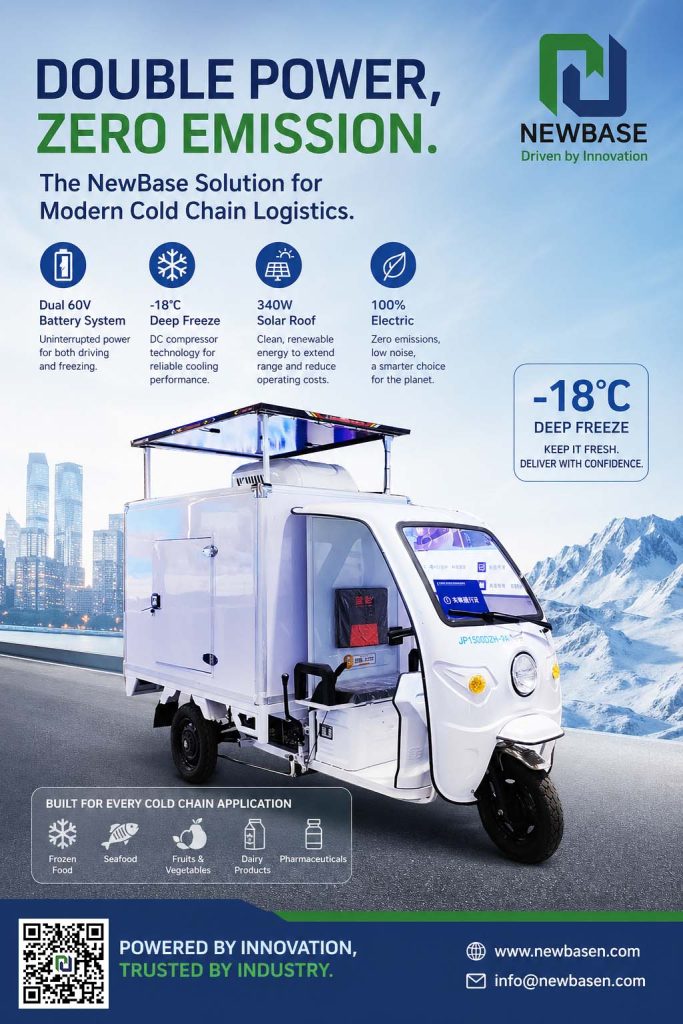
Высокоэффективные холодильные системы постоянного тока становятся все более популярными, поскольку они предлагают:
- Повышенная эффективность преобразования энергии
- Низкий уровень шума при работе
- Снижение сложности технического обслуживания
Технология электрического охлаждения особенно привлекательна для применения в городской логистике.
Технология аккумуляторов поддерживает инновации в холодильной технике
Системы аккумуляторов сегодня играют важную роль в работе рефрижераторных автомобилей.
Тенденции развития отрасли включают:
Независимые холодильные батареи
Отдельные аккумуляторные системы для холодильных установок:
- Стабильность мощности
- Непрерывность охлаждения
- Независимость управления транспортным средством
Это снижает операционный риск.
Большая продолжительность работы
Усовершенствованная технология производства аккумуляторов позволяет:
- Увеличенное время охлаждения
- Более длительные сроки доставки
- Более надежные ежедневные операции
Это очень важно для автопарков, перевозящих холод на последней миле.
Солнечные энергетические системы набирают обороты
Возобновляемые источники энергии постепенно интегрируются в холодильные платформы.
Системы солнечной зарядки могут:
- Дополнительная зарядка аккумулятора
- Улучшение использования энергии
- Уменьшите частоту зарядки
Рефрижераторные автомобили на солнечных батареях особенно подходят для:
- Высокочастотная городская логистика
- Рынки теплого климата
- Ежедневная развозка автотранспорта
Важность экспертизы в области терморегулирования
Эффективное охлаждение - это не только мощность компрессора.
Определяется опыт в области терморегулирования:
- Эффективность системы
- Консистенция охлаждения
- Срок службы оборудования
- Надежность в суровых условиях
Именно поэтому производители с сильным опытом терморегулирования становятся все более конкурентоспособными на рынке рефрижераторных перевозок.
Техническое преимущество NEWBASE
NEWBASE использует многолетний опыт в:
- Управление тепловым режимом коммерческого транспорта
- Холодильные системы
- Технология отопления, вентиляции и кондиционирования воздуха в автомобиле
- Системы терморегулирования аккумуляторов
Эта техническая база помогает компании разрабатывать эффективные решения для рефрижераторных автомобилей для глобальных клиентов.
Заглядывая в будущее
Будущее развитие рефрижераторных автомобилей будет направлено на:
- Электрификация
- Интеллектуальное управление
- Интеграция возобновляемых источников энергии
- Более высокая энергоэффективность
По мере того как индустрия холодовой цепи будет становиться все более технологичной, интеллектуальные холодильные системы станут основным отличительным фактором.
NEWBASE будет продолжать развивать инновации в области холодильного оборудования для поддержки более разумной логистики во всем мире.
Узнайте больше о технологиях охлаждения и терморегулирования NEWBASE.
 Русский
  English
  Español
  Português
  العربية
  Français
  Bahasa Indonesia
  日本語
日本語  Română
  Deutsch
  Italiano