ニュース

Stay updated with NEWBASE’s latest corporate announcements, exhibition schedules, and company milestones.

Eliminating Temperature Fluctuation in Community Grocery Delivery with DC Variable Frequency Technology

The “last-mile” delivery of fresh produce and dairy products within urban communities represents one of the most challenging segments of the cold chain. Unlike long-haul transport, community delivery involves frequent door openings and varying traffic conditions, which often lead to significant temperature fluctuations. For B2B fleet operators, maintaining a stable thermal environment is not just about quality—it is a matter of regulatory compliance and waste reduction. By integrating DC Variable Frequency Technology, modern electric reefer trikes and mobile pods provide a level of thermal consistency previously reserved for large-scale refrigerated trucks. The Critical Challenge: Thermal Instability in Urban Logistics Urban grocery distribution centers and “dark stores” rely on small-footprint vehicles […]

Eliminating Temperature Fluctuation in Community Grocery Delivery with DC Variable Frequency Technology 続きを読む »

バッテリーの熱管理における液冷と空冷の比較

Introduction The choice of cooling methodology fundamentally shapes battery thermal management system performance. This technical analysis compares liquid cooling and air cooling approaches, examining thermodynamics, implementation considerations, and application suitability based on engineering data and field experience. Fundamental Differences Air Cooling Systems Air cooling utilizes forced air circulation to dissipate heat from battery packs. The system typically consists of: •Fans/Blowers: Drive air movement across battery surfaces •Heat Sinks/Fins: Increase surface area for heat dissipation •Ducting: Direct airflow to targeted areas •Filters: Prevent debris accumulation (adds maintenance burden) Liquid Cooling Systems Liquid cooling employs circulating coolant to absorb and transfer thermal energy: •Coolant Circulation: Pump-driven flow through cooling plates/channels •Heat Exchangers:

バッテリーの熱管理における液冷と空冷の比較 続きを読む »

電気自動車用BTMS:効率最適化戦略

Executive Summary Electric vehicle range anxiety and battery longevity remain top concerns for EV adoption. Battery Thermal Management Systems (BTMS) play a pivotal role in addressing these challenges. This article explores proven efficiency optimization strategies for EV thermal management systems, drawing from real-world implementation data and technical research. The Critical Role of Temperature Management Battery performance is profoundly temperature-dependent. Research indicates that operating batteries within the optimal temperature range (20-35°C) can extend cycle life by over 30%. Conversely, extreme temperatures cause irreversible capacity degradation and safety risks. Temperature Impact Analysis Temperature Range Battery Performance Impact Below -20°C Severe capacity loss, charging limitations 20°C to 0°C Reduced efficiency, lithium plating risk

電気自動車用BTMS:効率最適化戦略 続きを読む »

8kW液冷バッテリー熱管理システム:テクニカル・ディープ・ダイブ

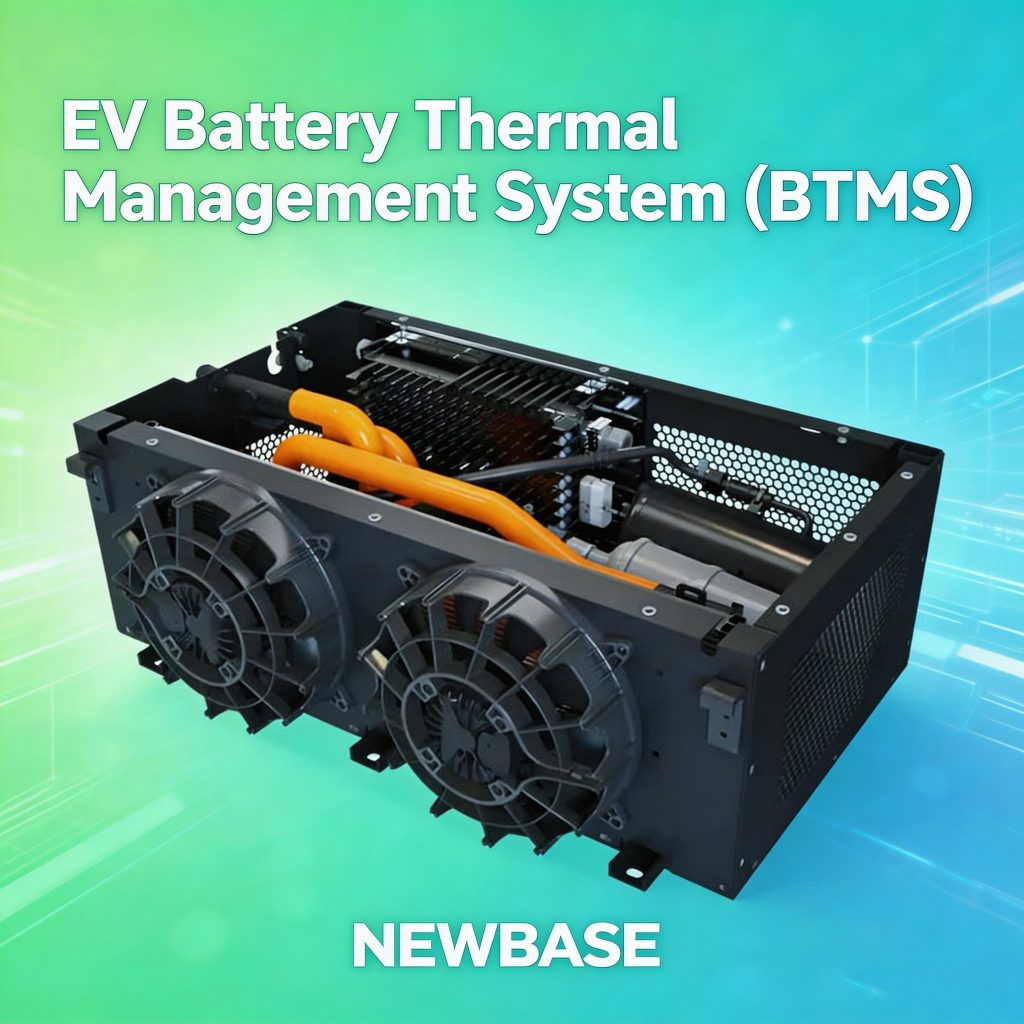
Introduction As electric vehicles (EVs) and energy storage systems (ESS) continue to accelerate global energy transition, battery thermal management has become a critical factor determining system performance, longevity, and safety. This article provides a comprehensive technical analysis of 8kW-class liquid-cooled battery thermal management systems (BTMS), based on practical engineering implementation and industry best practices. System Architecture Overview Core Components An 8kW liquid-cooled BTMS typically comprises four primary subsystems: 1.Liquid Cooling – Includes corrosion-resistant aluminum alloy cooling plates, magnetic levitation centrifugal pumps, and expansion tanks. Flow rate adjustment range spans 0.5-8 L/min with pipeline pressure tolerance of 1.6MPa. 2.Heat Exchange Subsystem – Employs plate-fin heat exchangers combined with electronic compression to

8kW液冷バッテリー熱管理システム:テクニカル・ディープ・ダイブ 続きを読む »

水冷BTMSの品質保証と試験プロトコル

包括的なテストが水冷BTMSの信頼性を保証 商用車用水冷BTMSの品質保証には、複数のパラメータにわたる厳格なテストが必要です。メーカーは、ユニットが顧客に届く前に、性能、耐久性、安全性を検証する包括的な試験プログラムを実施しています。性能検証試験 冷却効率試験は、制御された条件下で熱除去能力を定量化します。試験手順では、校正された熱源を使用してバッテリーの熱負荷をシミュレートします。技術者は、流量と周囲条件を変化させながら、入口と出口間の冷却液温度差を測定します。その結果、ユニットが動作範囲全体で規定の冷却能力を達成していることが確認されます。冷却能力試験では、定格冷却出力が仕様を満たしていることを確認します。試験は、周囲温度、クーラント流量の違い、温度差の変化など、あらゆる動作条件に及びます。

水冷BTMSの品質保証と試験プロトコル 続きを読む »

電気商用車とエネルギー貯蔵における水冷式BTMSの応用

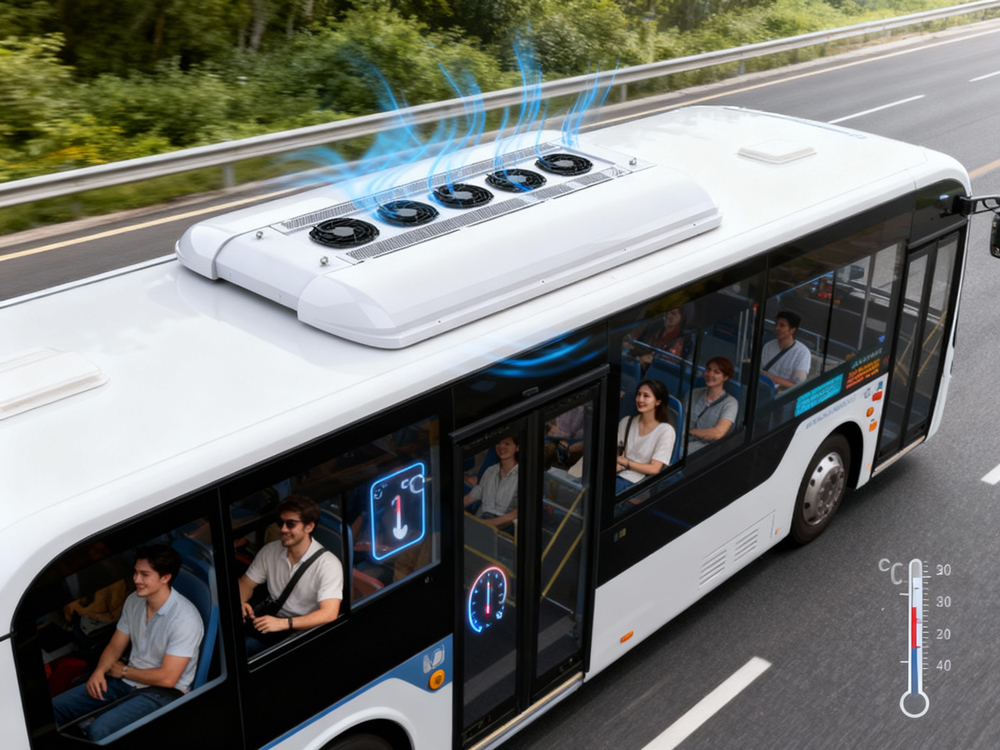
水冷式バッテリ熱管理システムの産業用途 水冷式BTMS技術は、商業輸送および定置型エネルギー貯蔵の多様な用途に使用されています。各アプリケーションは、システムの選択と統合に役立つ独自の熱管理課題を提示しています。電気バスの熱管理 電気バスは、水冷BTMSの成熟したアプリケーションです。都市交通バスは、頻繁な加速と減速を伴うストップ・アンド・ゴーのパターンで運行するため、バッテリーに大きな熱が発生します。同時に、乗客の快適性を確保するには、全体の熱バランスに影響するHVACの運転が必要です。バスのバッテリー熱管理は、パック全体のセル温度を一定に保つことに重点を置いています。温度が均一でないとセル間のバランスが崩れ、使用可能容量が減少し、劣化が加速されます。BTMSは、バッテリー全体にわたって均一な冷却を提供する必要があります。

電気商用車とエネルギー貯蔵における水冷式BTMSの応用 続きを読む »

商用車用水冷BTMSのコア技術

Advanced Technologies Powering Modern Water-Cooled Battery Thermal Management Systems Commercial vehicle water-cooled BTMS represents a convergence of multiple technologies: refrigeration, fluid dynamics, thermal engineering, and vehicle electronics. Understanding these core technologies clarifies system capabilities and informs integration decisions. Refrigeration Cycle Technology The foundation of water-cooled BTMS is the vapor-compression refrigeration cycle. This proven technology efficiently transfers heat from the coolant loop to the ambient environment. Key components include: The compressor provides the driving force for refrigerant circulation. Scroll compressors offer advantages for vehicle applications: compact size, low vibration, and high efficiency across varying loads. Compressor selection considers refrigerant type, displacement volume, and power consumption. The condenser rejects heat to ambient

商用車用水冷BTMSのコア技術 続きを読む »

比較分析:5KW~16KW水冷ユニット選択ガイド

適切な水冷BTMS容量の選択:技術比較 適切な冷却容量を選択することは、効果的なバッテリー熱管理の基本です。水冷式ユニットには5kWから16kWまであり、各容量レベルは特定の車両タイプや運用要件に適しています。この記事では、選択判断の指針となる詳細な技術比較を提供します。容量の概要とターゲット・アプリケーション 5kWユニットは、バッテリー容量が控えめな軽量商用車に適しています。重量40kg以下のコンパクトなシステムは、配送バン、小型バス、都市型電気自動車に最適です。5kWクラスは、設定可能な調整によって冷却能力を実現し、さまざまなバッテリーの熱負荷に柔軟に対応します。8kWカテゴリーは、コンパクトとミッドレンジのギャップを埋めるものです。

比較分析:5KW~16KW水冷ユニット選択ガイド 続きを読む »

商用車用水冷式バッテリー熱管理システムを理解する

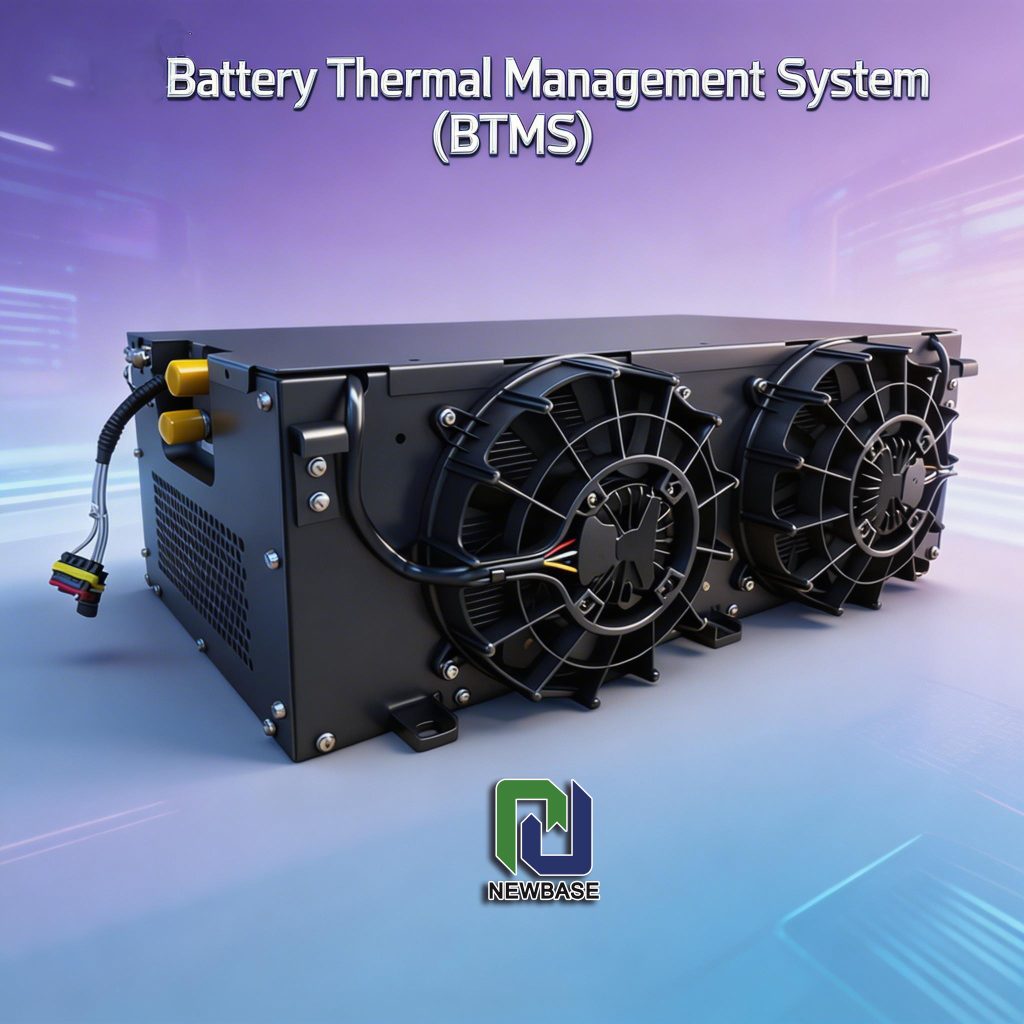
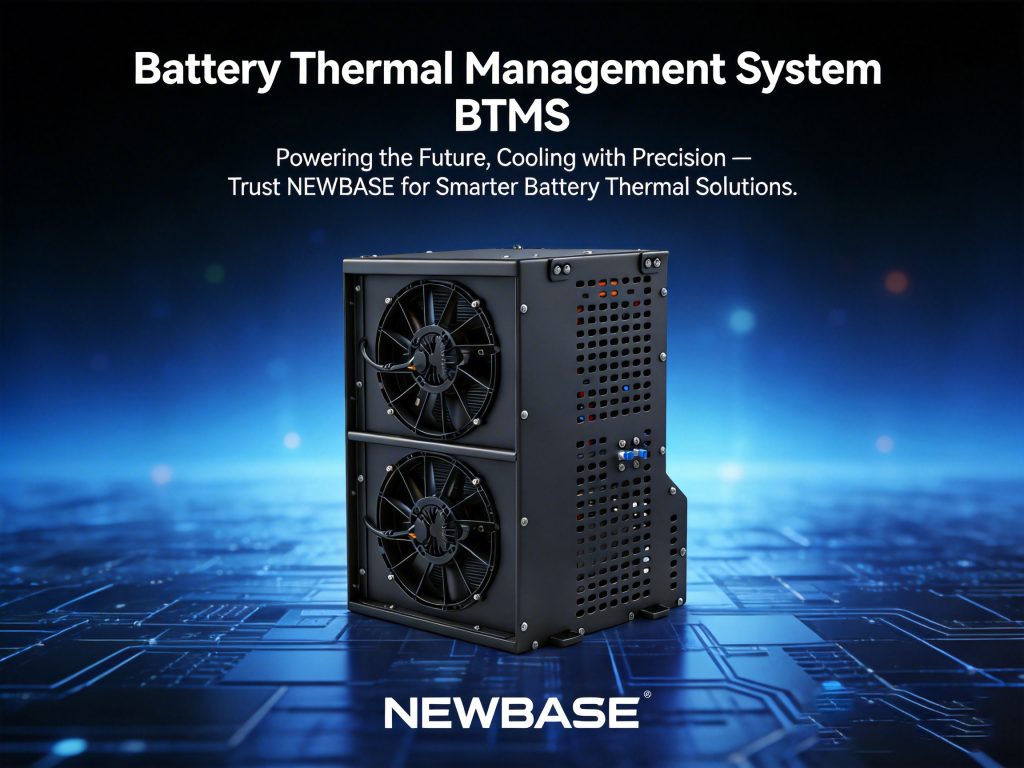
商用車用水冷BTMS:完全な技術概要 バッテリーの温度管理は、電気商用車にとって非常に重要です。適切な温度制御を行わないと、バッテリーの性能低下、劣化の加速、安全上の潜在的リスクが発生します。水冷式バッテリー熱管理システム(BTMS)は、要求の厳しい商用車アプリケーションにおけるバッテリー温度管理の業界標準として登場しました。水冷式BTMSの仕組み 水冷式BTMSは、冷却水を熱媒体として使用し、バッテリーパック内を循環させて余分な熱を吸収・除去します。システムは、コンプレッサー、エバポレーター、コンデンサー、膨張弁、プレート式熱交換器の5つの主要コンポーネントで構成されています。クーラントの温度と流量を調整することで、システムはバッテリーパックを維持する。

商用車用水冷式バッテリー熱管理システムを理解する 続きを読む »

冷蔵バン冷凍ユニット

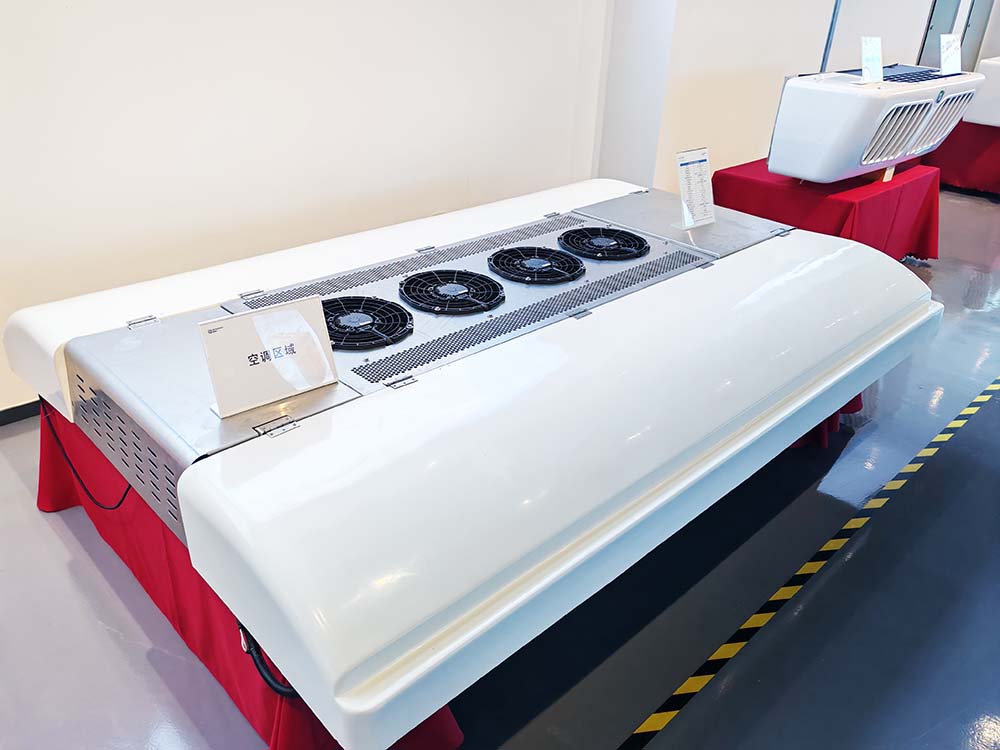
冷蔵バン冷凍ユニットNBESR1000A - 現代のコールドチェーンロジスティクスのための高度な冷却技術 グローバルサプライチェーンが持続可能性と効率性を目指して進化する中、NewBaseはNBESR1000A冷蔵バン冷凍ユニットで次世代の冷蔵バン技術を紹介します。電気自動車、水素自動車、メタノール自動車、航続距離延長型小型商用車(7.5~8.5メートル)向けに設計されたこの革新的なシステムは、信頼性が高く、エネルギー効率に優れ、環境に優しいコールドチェーン・ソリューションに対する需要の高まりに対応するよう設計されています。排出量に対する規制圧力の高まりと、新鮮で安全な食品配送に対する消費者の期待の高まりにより、高性能冷蔵バン冷凍ユニットの役割はかつてないほど重要になっています。NBESR1000Aは、以下のような特長を備えています。

冷蔵バン冷凍ユニット 続きを読む »

ja日本語