DC/DC Converter for Electric Vehicles: Product Overview
Introduction In electric vehicles (EVs), the high-voltage battery pack stores direct current (DC) energy unsuitable for powering low-voltage systems (e.g., lighting, infotainment, instrumentation). The DC/DC converter bridges this gap by efficiently stepping down high-voltage DC (typically 300-800V) to 12V DC, ensuring reliable power supply for auxiliary systems while maintaining compatibility with traditional automotive electrical architectures.
Key Functions & Features
Voltage Conversion & Regulation
Converts high-voltage DC to stable 12V DC for low-voltage components.
Dynamically adjusts output based on load demands and battery state-of-charge.
Integration Flexibility
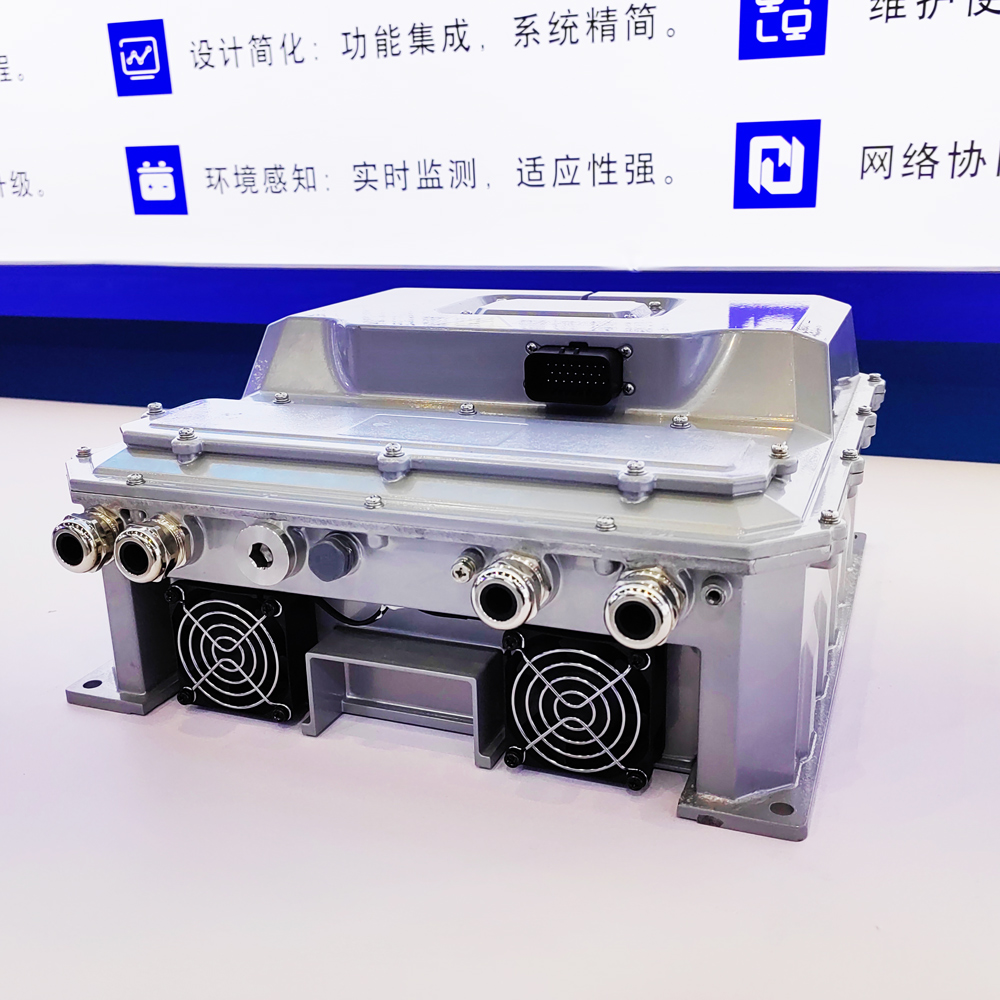
Standalone unit or integrated into Power Distribution Units (PDU) or Power Electronics Units (PEU).
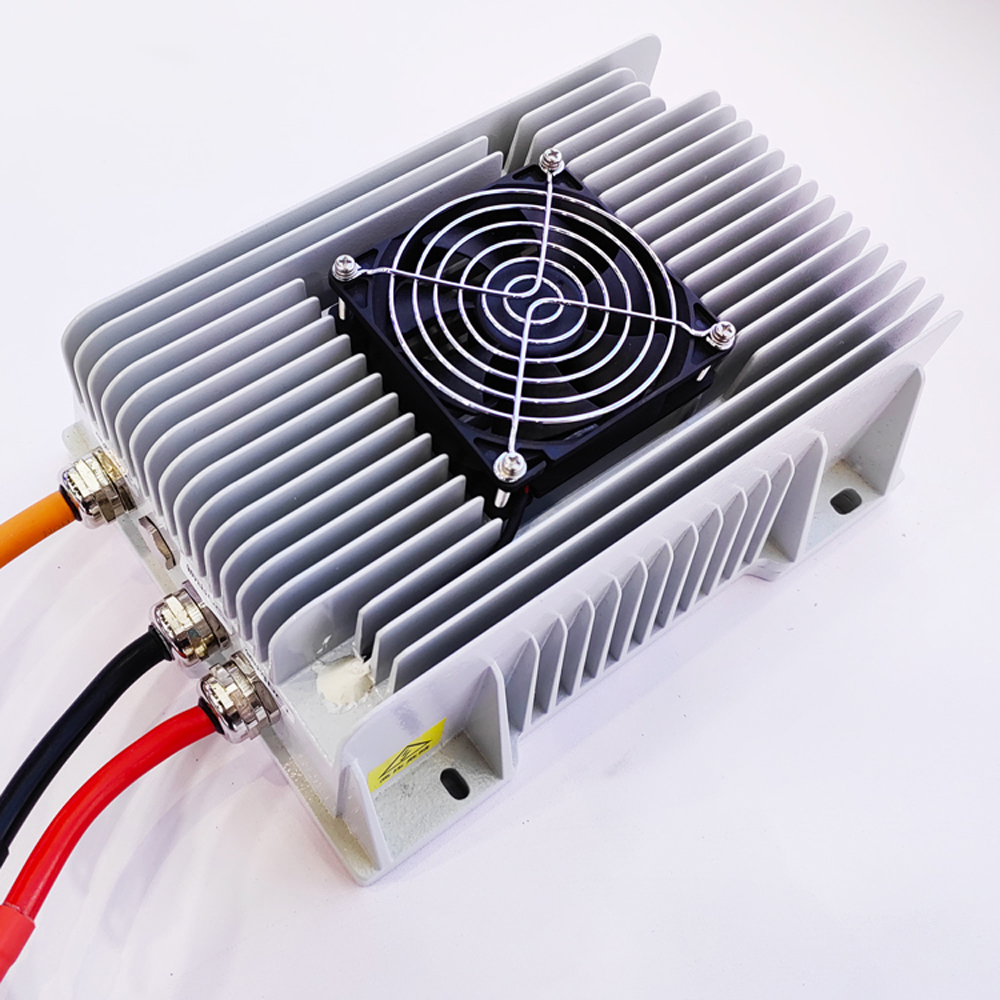
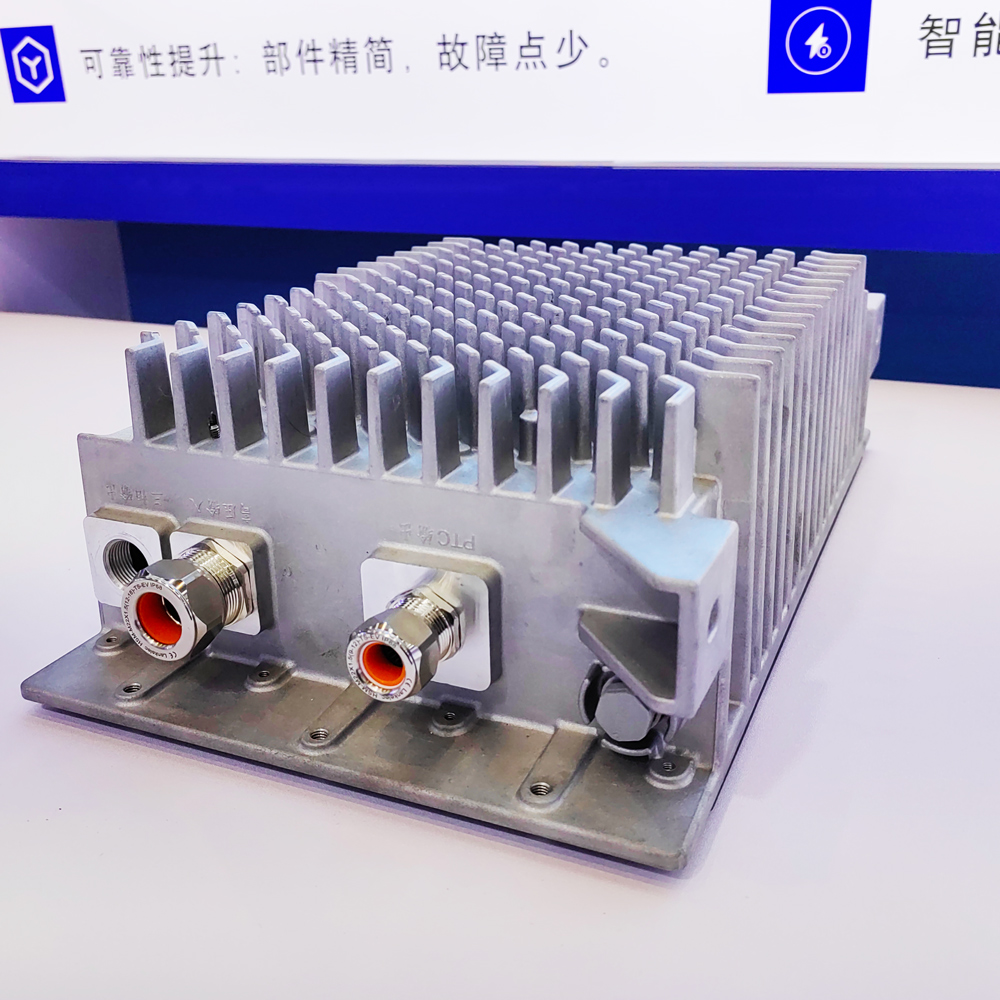
Supports natural cooling or liquid cooling for thermal management.
Safety & Protection Mechanisms
Electrical Protection: Overvoltage, undervoltage, overload, and short-circuit safeguards.
Thermal Management: Overtemperature shutdown and automatic recovery.
Isolation Design: Galvanic isolation between high-voltage and low-voltage circuits for enhanced safety.
Smart Communication
CAN bus interface for real-time data exchange with Vehicle Control Units (VCUs).
Diagnostic capabilities for fault detection and status monitoring.
Technical Architecture
Input Stage
High-voltage filtering circuits to suppress electromagnetic interference (EMI).
Full-bridge inverter for converting DC to high-frequency AC.
Transformer & Rectification
Isolation transformer for voltage step-down and galvanic separation.
Synchronous rectification for efficient AC-to-DC conversion.
Output Stage
LC filtering to stabilize output voltage.
SBC (System Basis Chip) module for auxiliary power supply to control circuits.
Control & Protection
Microcontroller-based monitoring of voltage, current, and temperature.
PWM (Pulse Width Modulation) drive for power semiconductors.
Reverse polarity protection and input undervoltage lockout.
Advantages
Compact Design: Space-efficient layout for EV chassis integration.
High Reliability: Compliant with automotive grade standards (AEC-Q100).
Low Noise: Advanced EMI filtering for minimal electrical interference.
Applications
Battery Electric Vehicles (BEVs)
Hybrid Electric Vehicles (HEVs)
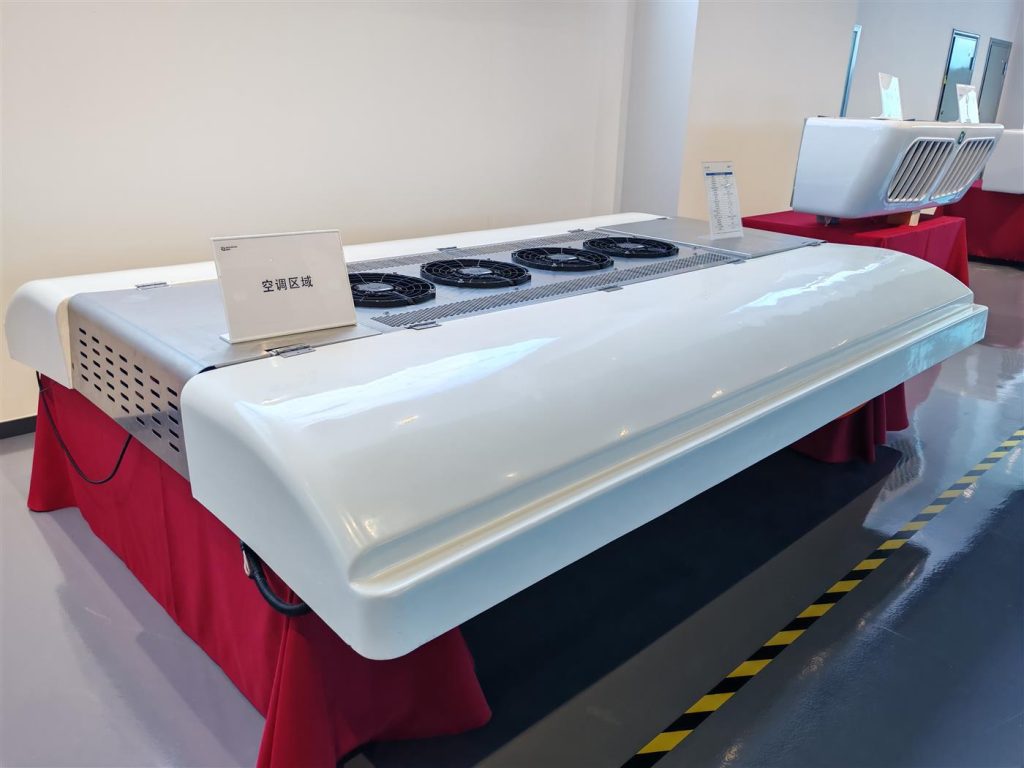
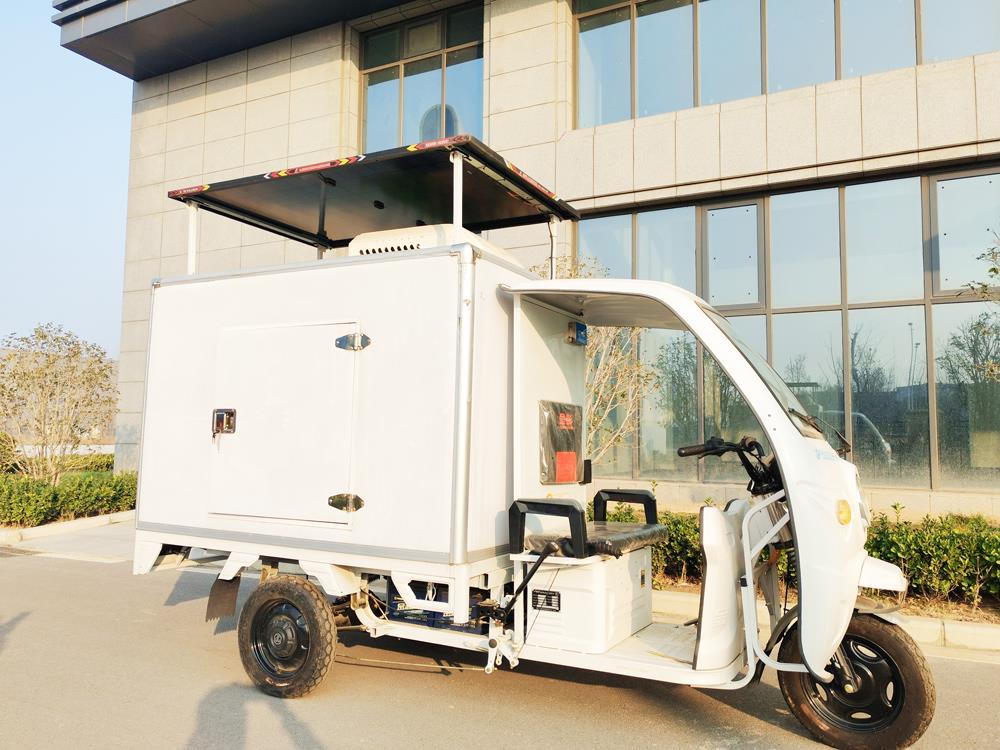
Commercial EVs (buses, logistics trucks)
Off-road electric machinery
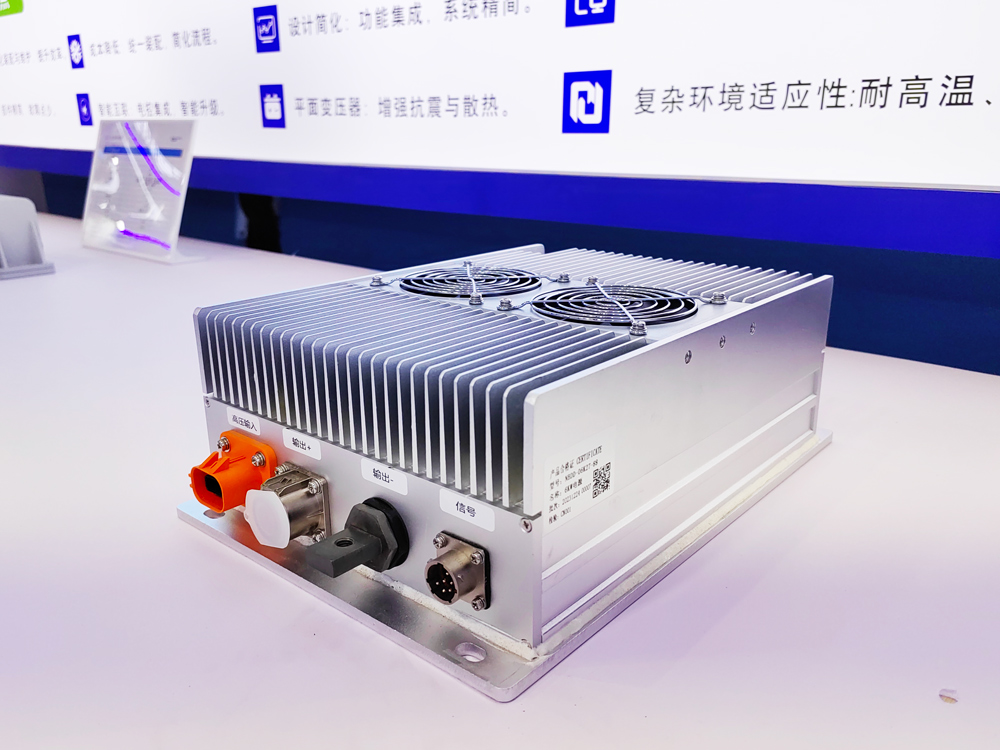
DC – DC Power converter
Technical Data
Input voltage: 185V~850V (customized)
Power: 1.2KW/2KW/3KW
Static Battery Leakage Current: ≤10mA
Input control: hardware enable control, CAN communication
LV cable, withstand voltage 700~400Vdc
Rated output voltage: 27.5 ± 0.2Vdc, Max output current: 110A
Output voltage start time: within 6s (at rated load) (Input 540Vdc, output 27.5Vdc, rated load test time)
Output power: 3000W (MAX)
Static loss Current ≤10mA
Operation temperature: – 40°C – 65°C
Insulation resistance ≥20MΩ/100Vdc
Protection level: IP67
Cable requirements – HV cable, withstand voltage 1500Vdc;
The form has been submitted successfully!
There has been some error while submitting the form. Please verify all form fields again.

 English
  Español
  Português
  العربية
  Русский
  Français
  Bahasa Indonesia
  日本語
日本語  Română
  Deutsch
  Italiano